
Craft spirits · From northern Japan
Japanese Gin: the complete guide to Japan’s craft gins
Clear, citrus-led, precisely distilled. Japanese gin is rewriting what gin can taste like. Here is how it differs from London Dry, how ETSU is made, and how to explore the full five-expression range — plus a few cocktails worth pouring first.
What is Japanese gin?
Japanese gin is not a protected category like London Dry. It is a style defined by intention: aromatic precision, citrus and floral botanicals, and a quieter juniper backbone. Where classic English gin leads with resin and spice, Japanese gin often leads with yuzu, bitter orange peel, cherry blossom or tea.
Contemporary Japanese gin emerged in the late 2010s, but it draws on older craft — working citrus peels, tea and mountain water with the same care Japanese distillers bring to sake and shochu. The result is gin you can read glass by glass: each botanical stays identifiable, especially in a properly built serve.
ETSU is distilled in northern Japan, between Asahikawa on Hokkaido and Akita on Honshū. Five expressions share a common botanical base, then diverge into distinct signatures. That is what makes Japanese gin interesting to drink — and what this guide is for.
How ETSU Japanese gin is made
A Japanese gin is only as good as its water and its patience. ETSU is born from two mountain sources and two distinct distillation approaches.
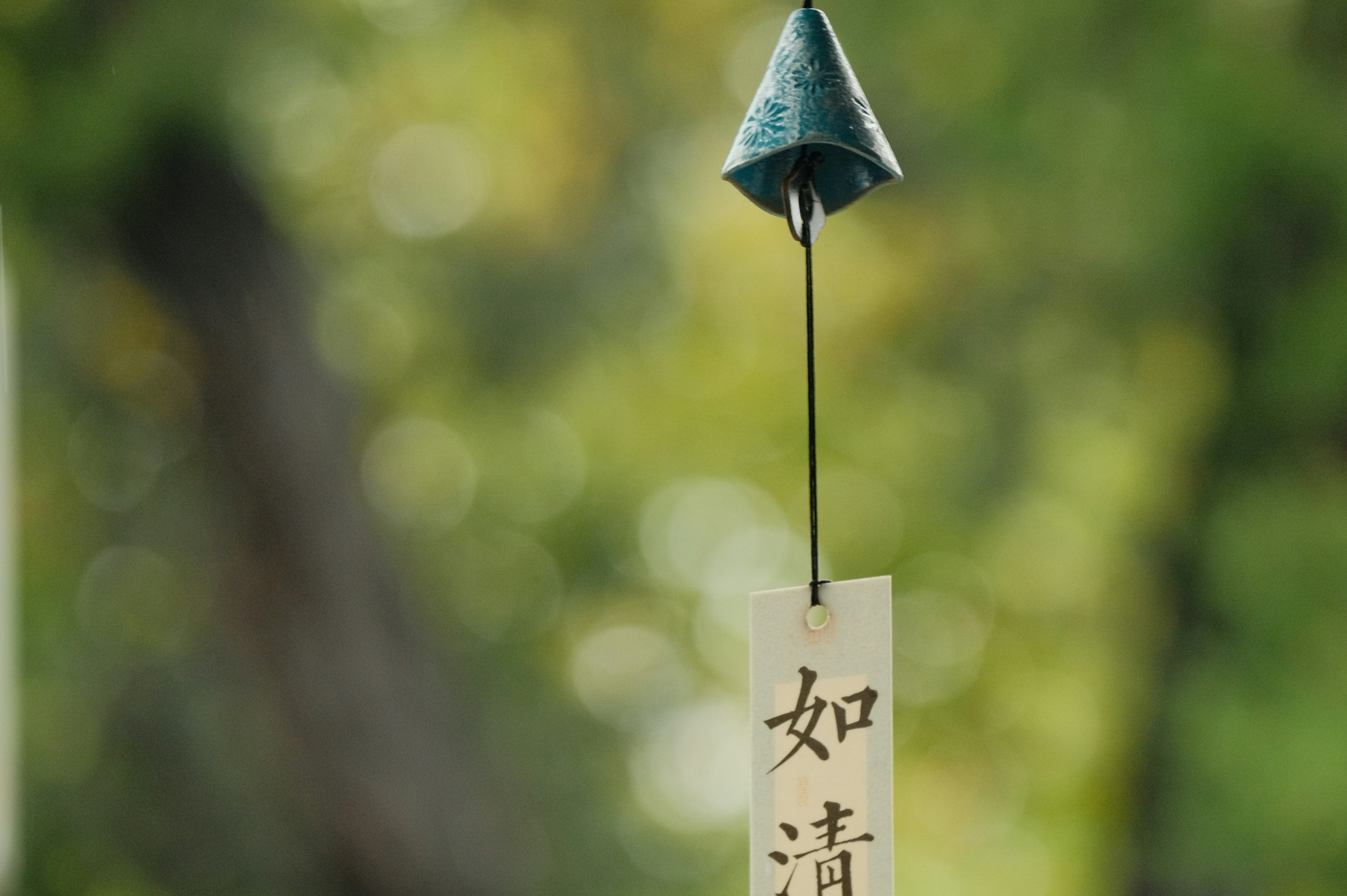
Asahikawa · Hokkaido
Water from Mount Taisetsu, and a short 22-hour maceration with the botanicals. This is where ETSU The Original and Pacific Ocean Water are born — the two most assertive expressions in the range.
Visit the distillery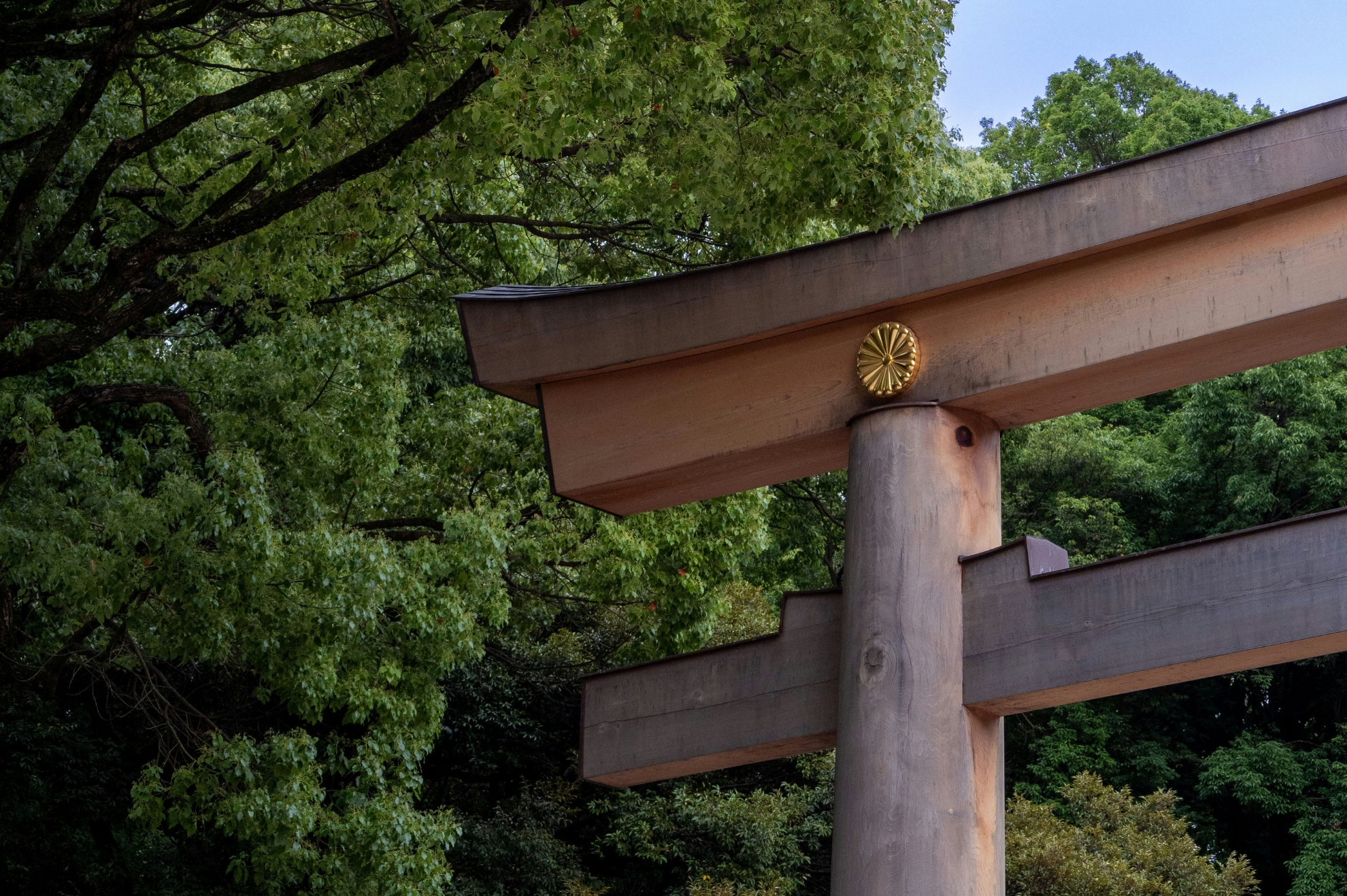
Akita · Honshū
Water from the Ōu mountains, Japan’s longest range, and seven days of maceration before distillation without the botanicals in the still. Double Yuzu, Double Orange and Sakura gain their finesse here.
Visit the distilleryOne foundation, four signatures
What makes Japanese gin taste different
English gin builds its identity on juniper: resinous, direct, a little severe. Japanese gin shifts the centre of gravity toward citrus and floral notes. Juniper remains as the foundation, but it no longer leads the dance.
At ETSU, four botanicals form the base of every expression. The others change — and those are the ones that decide the character of your glass.
The base, present in all five gins

Juniper
The queen botanical of gin. These berries bring a tart, peppery flavour.
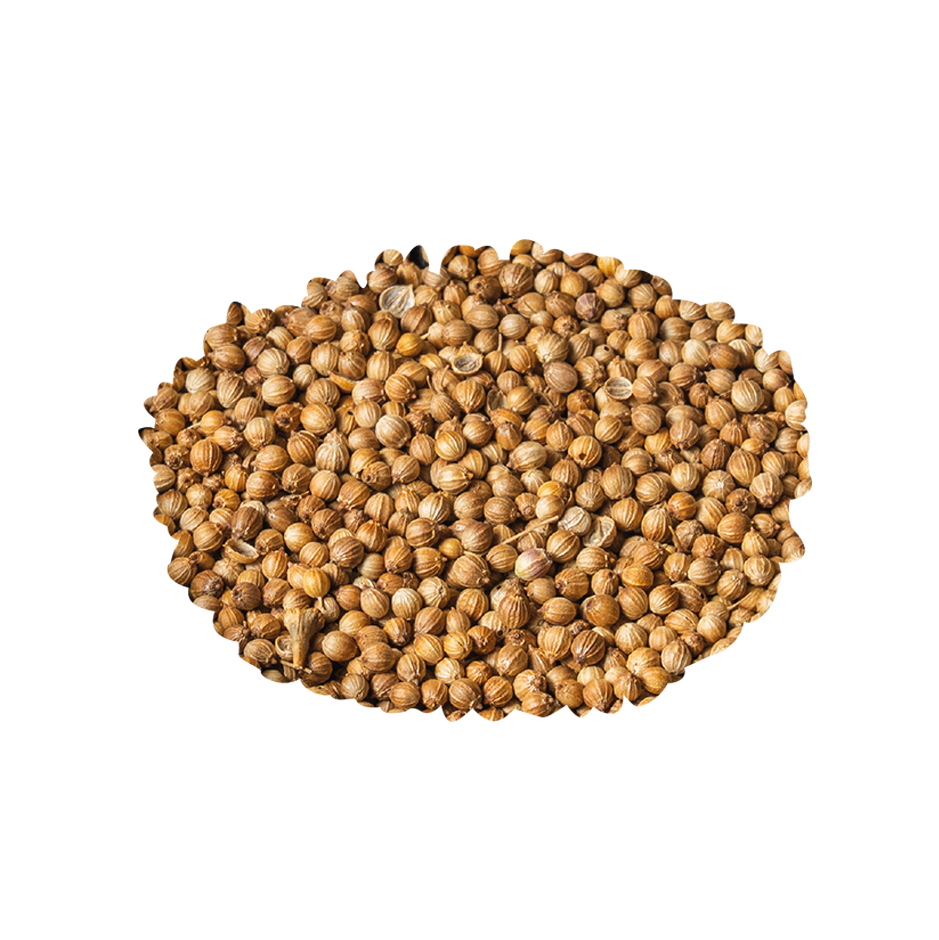
Coriander
The seeds offer a touch of sweetness and a hint of menthol freshness.
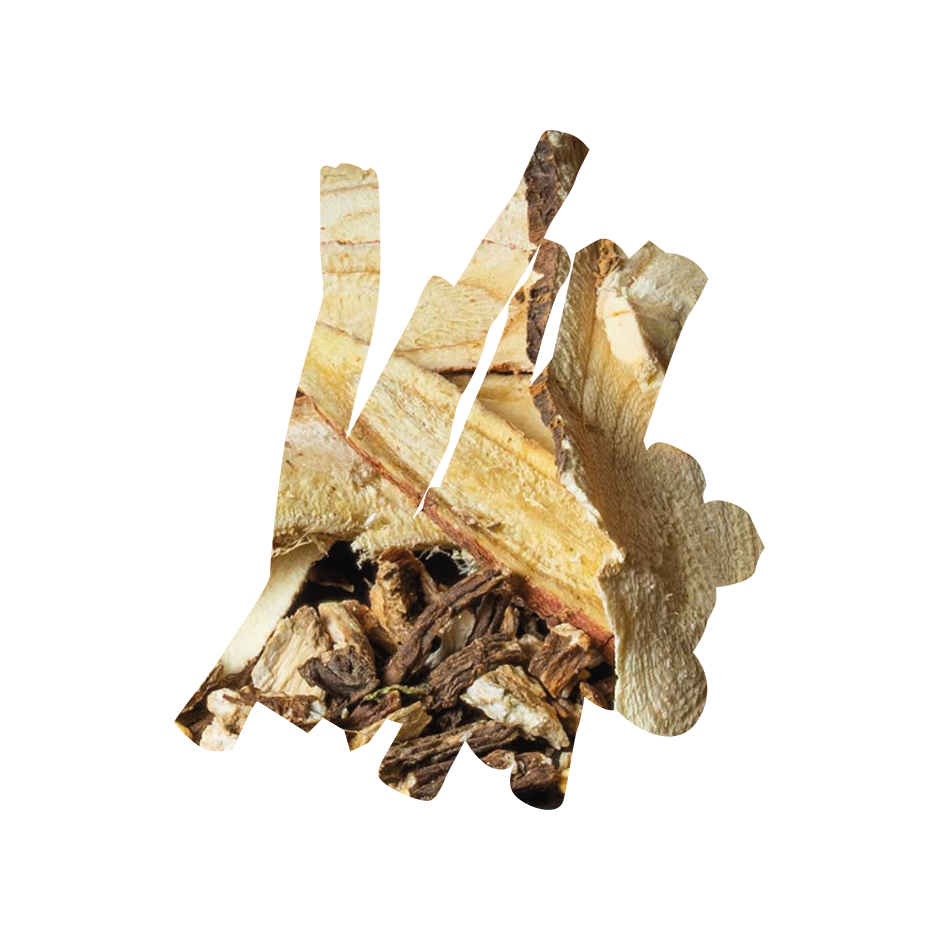
Liquorice
The root gives an aniseed, woody taste with a touch of bitterness.
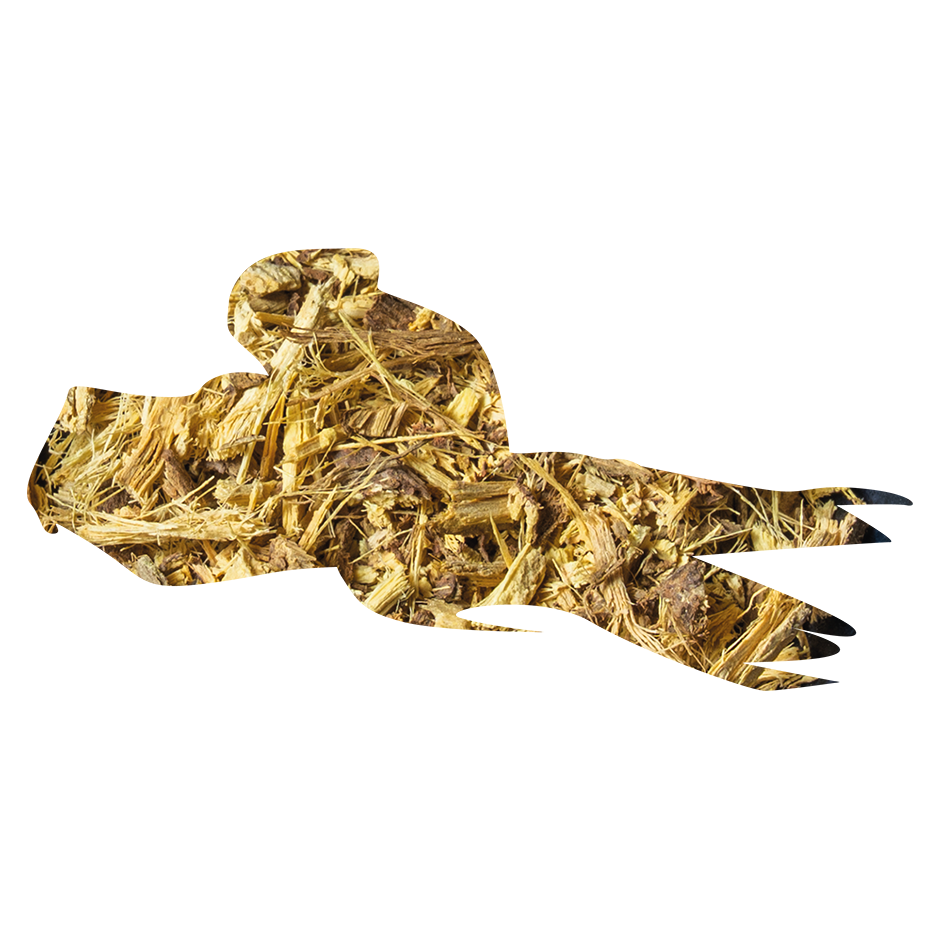
Angelica
The root brings characteristic bitter notes and a warming sensation on the palate.
The signatures, unique to each expression
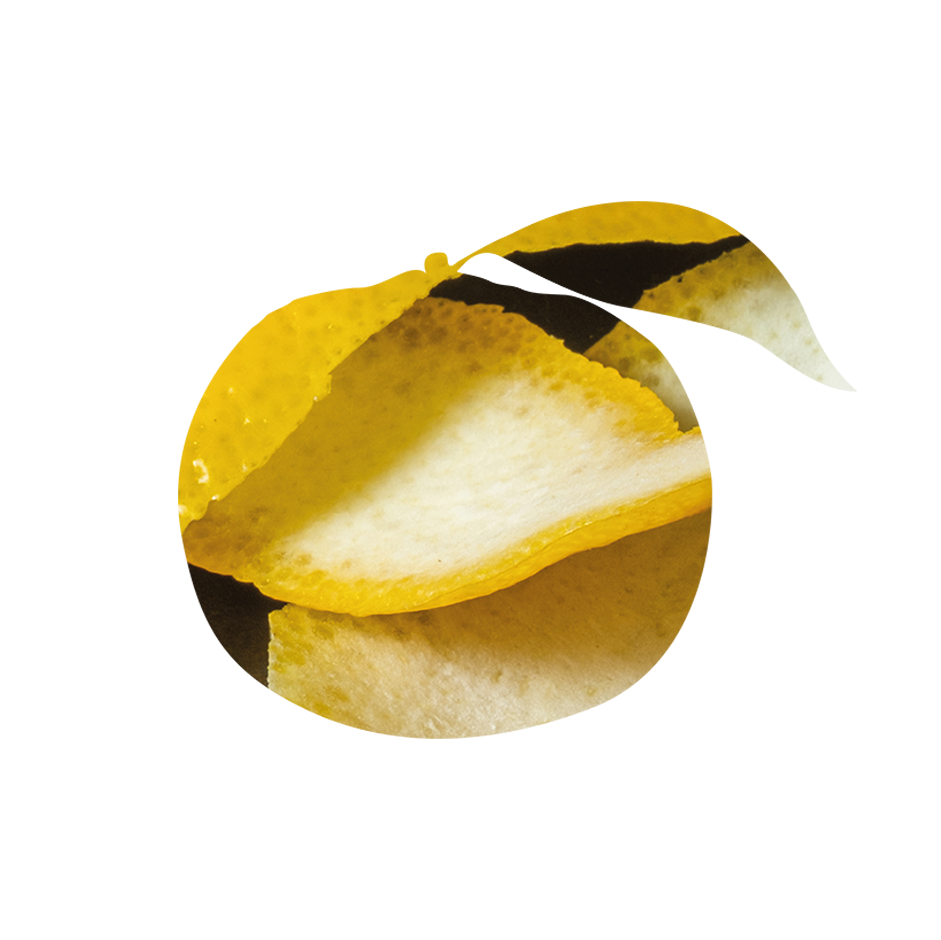
Yuzu
Dried peel brings zesty, fresh notes. Present in ETSU The Original, Double Yuzu, Pacific Ocean Water and Sakura.
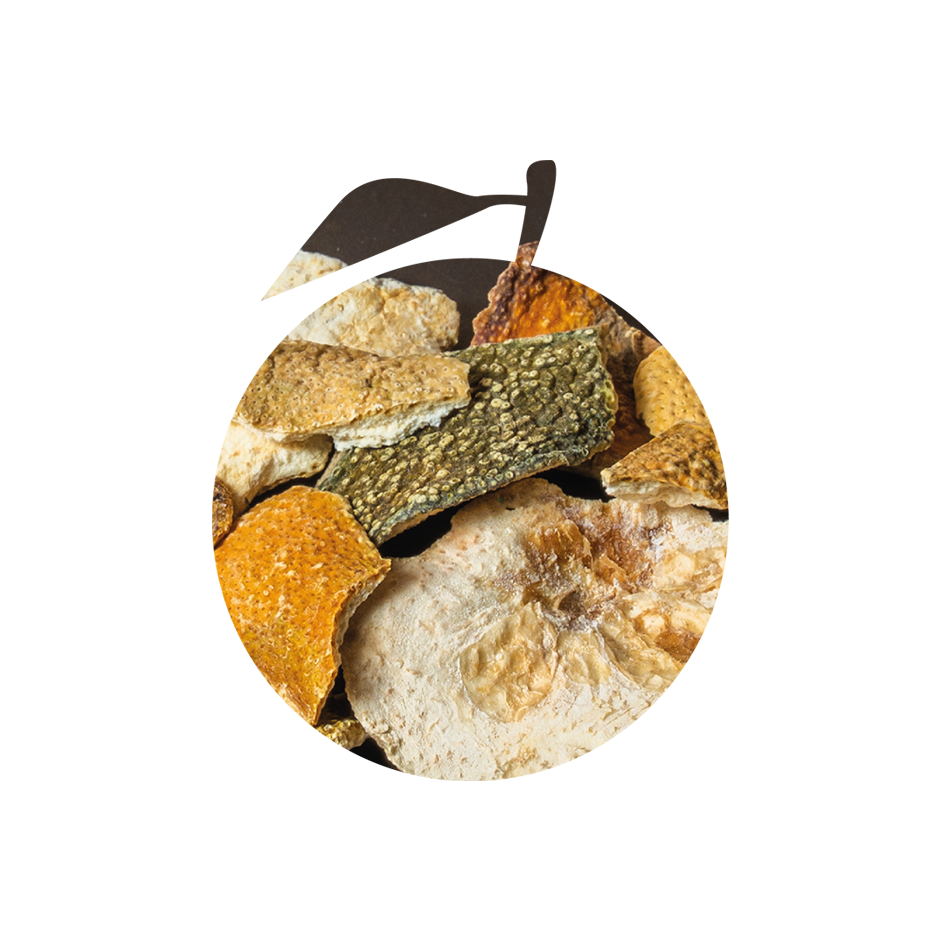
Bitter orange
Green peel adds body and a citrus-forward profile. Absent from Double Yuzu.
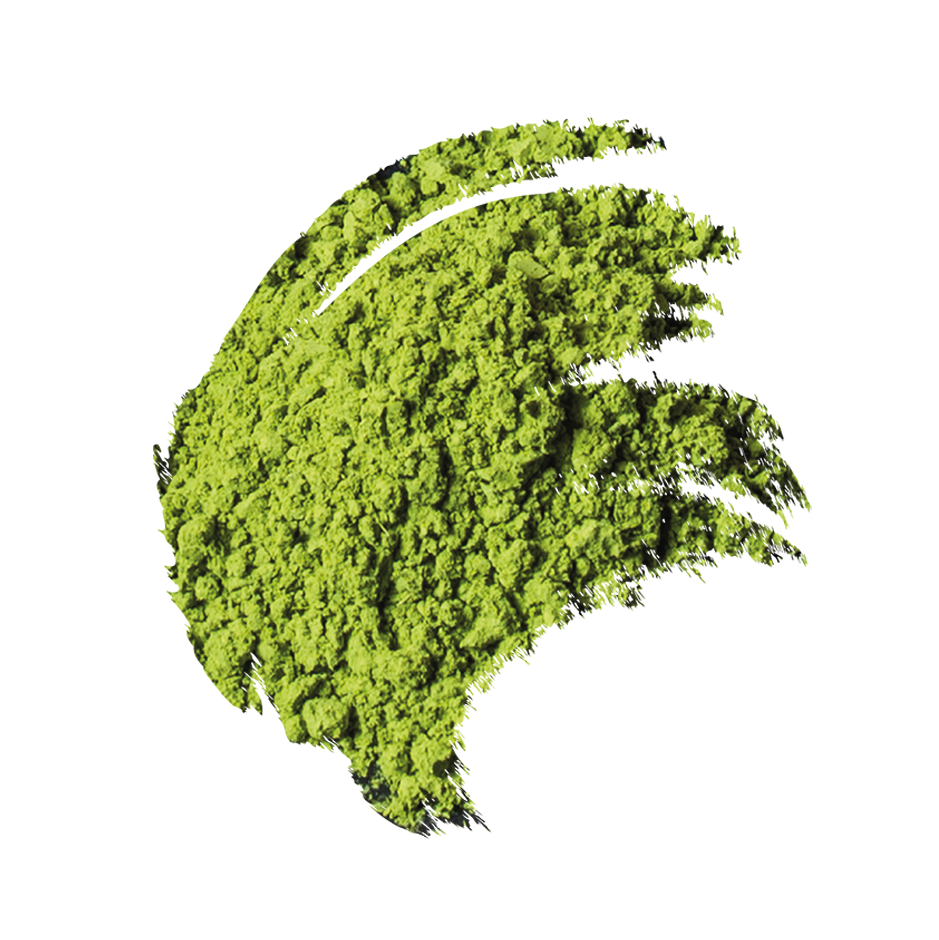
Matcha
A herbal flavour, with light bitterness and sweet softness. Exclusive to Double Yuzu.
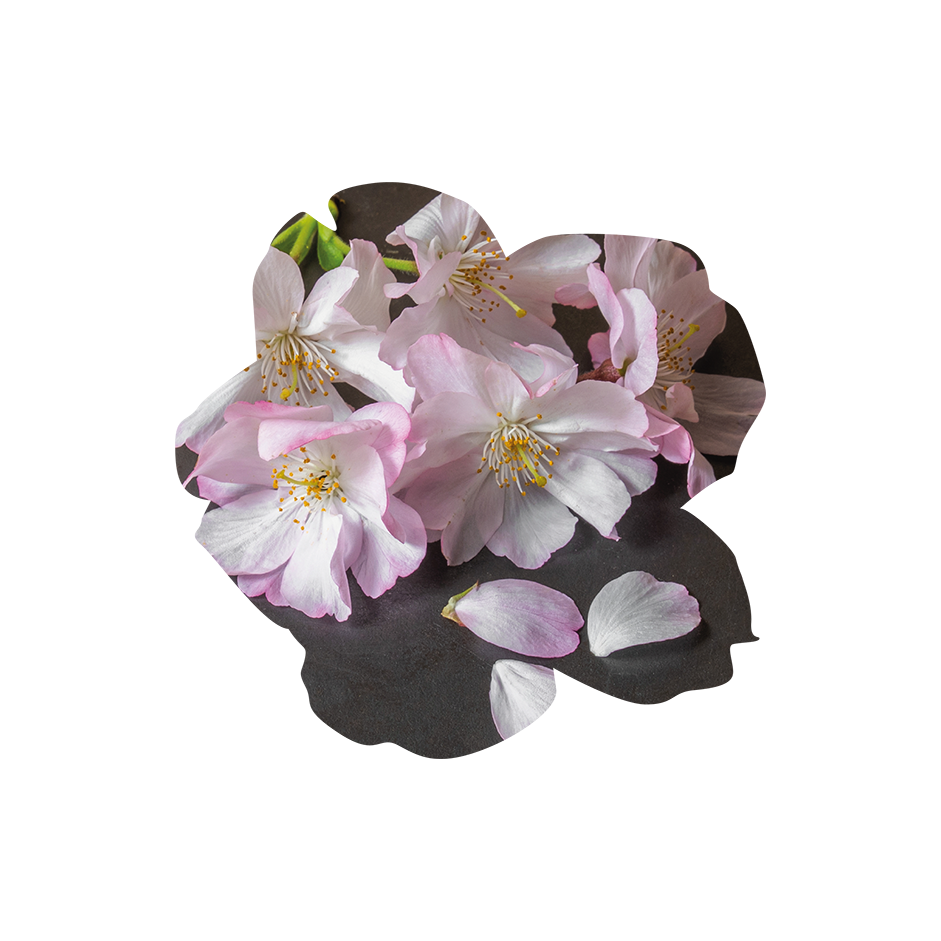
Sakura
Cherry blossom brings a delicate floral sweetness that balances the zest. Exclusive to ETSU Sakura.
The full ETSU Japanese gin range
Each ETSU expression has its own botanicals and tasting notes. Select a gin to discover its profile, best serve and official cocktail.
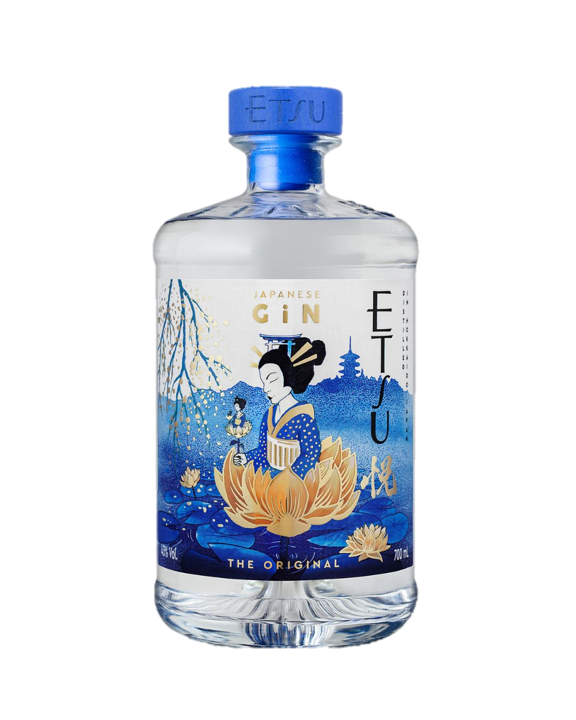
ETSU The Original
43° · 70 cl · Asahikawa Distillery, Hokkaido



Distilled at Asahikawa on the northern island of Hokkaido, ETSU The Original stands out for the balance of its botanicals and the purity of water from Mount Taisetsu. For greater intensity and character, it is distilled with the botanicals after 22 hours of maceration. Juniper berries, liquorice and angelica roots, coriander seeds, Japanese yuzu and bitter-orange peel come together in a fresh, rounded gin — a true ode to Japan, ideal in cocktails or with tonic.

Appearance
Clear and luminous.

Nose
Floral and subtly vegetal, opening on fresh yuzu and a delicate citrus blossom.

Palate
Fresh and balanced, combining citrus brightness with peppery notes and a soft touch of liquorice.

Finish
Supple and silky, marked by persistent floral nuances and refined roundness.
Six botanicals
- Juniper
- Coriander
- Liquorice
- Angelica
- Yuzu
- Bitter orange
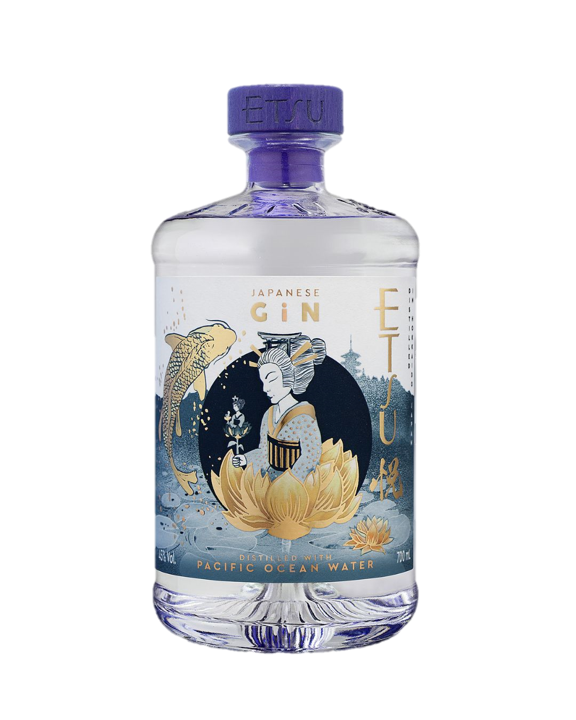
ETSU Pacific Ocean Water
45° · 70 cl · Asahikawa Distillery, Hokkaido


Distilled at Asahikawa on Hokkaido, ETSU Pacific Ocean Water uses water drawn from the depths of the Pacific Ocean in the distillation process. After 22 hours of maceration, it is distilled with its botanicals for strength and character. An iodised profile lifts Japanese yuzu and bitter-orange peel. The bottle itself is unique: made from 100% recycled glass, its colour shifts naturally between blue and green.
Appearance
Clear and luminous.
Nose
Fresh and iodised, weaving yuzu, bitter orange and sea breeze.
Palate
Silky and balanced, revealing a fine salinity lifted by citrus and soft spices.
Finish
Silky and persistent, leaving a lasting impression of mineral freshness and yuzu zest.
Six botanicals, lifted by seawater
- Juniper
- Coriander
- Liquorice
- Angelica
- Yuzu
- Bitter orange
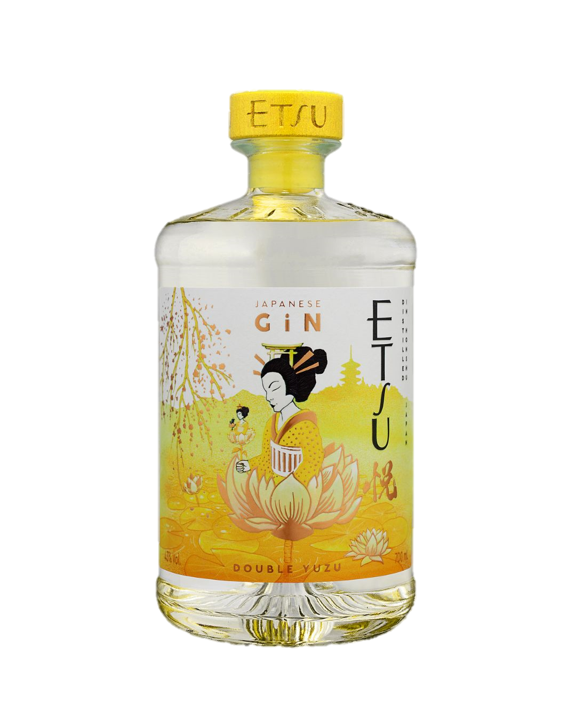
ETSU Double Yuzu
43° · 70 cl · Akita Distillery, Honshū

Made at the Akita distillery in northern Honshū, ETSU Double Yuzu is defined by a long seven-day maceration of traditional botanicals, then distilled without them for greater finesse and elegance. Water from the Ōu mountains — Japan’s longest range — brings purity and freshness. Japanese yuzu, juniper, liquorice, angelica, coriander and matcha tea unite in a bright, citrus-led gin, perfect for cocktails or tonic.
Appearance
Clear and luminous.
Nose
Bright and aromatic, dominated by fresh yuzu and lemon zest.
Palate
Lively and refreshing, expressing the full duality of Japanese yuzu — sparkling acidity and elegant sweetness.
Finish
Round and soft, leaving a persistent citrus freshness.
Six botanicals, including matcha
- Juniper
- Coriander
- Liquorice
- Angelica
- Yuzu
- Matcha
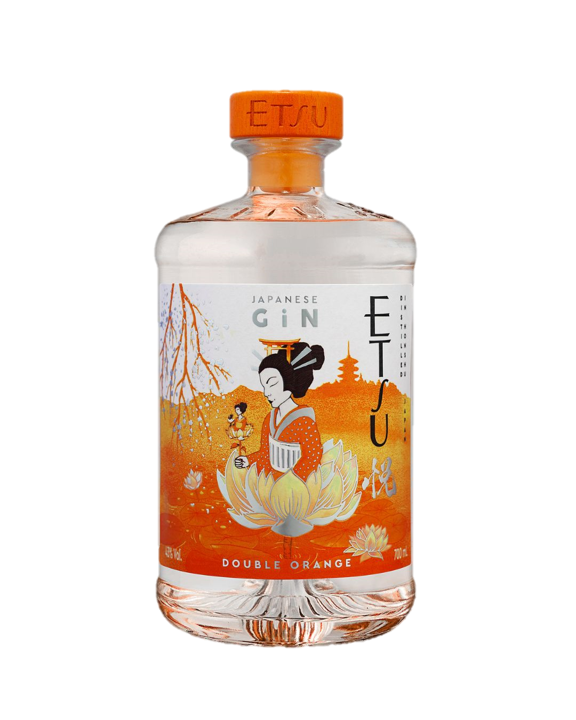
ETSU Double Orange
43° · 70 cl · Akita Distillery, Honshū


Produced at Akita in northern Honshū, ETSU Double Orange follows a seven-day maceration of traditional botanicals, then distillation without them for finesse and elegance. Ōu mountain water brings purity and freshness. Japanese bitter-orange peel, juniper, liquorice, angelica and coriander come together in a fresh, fruity gin — ideal for mixology or a simple tonic.
Appearance
Clear and luminous.
Nose
Fragrant and sunny, evoking perfectly peeled orange and a hint of spice.
Palate
Lively and harmonious, joining the warmth of bitter orange with bright citrus zest.
Finish
Soft and refreshing, marked by green bitter-orange peel notes.
Five botanicals, no yuzu
- Juniper
- Coriander
- Liquorice
- Angelica
- Bitter orange
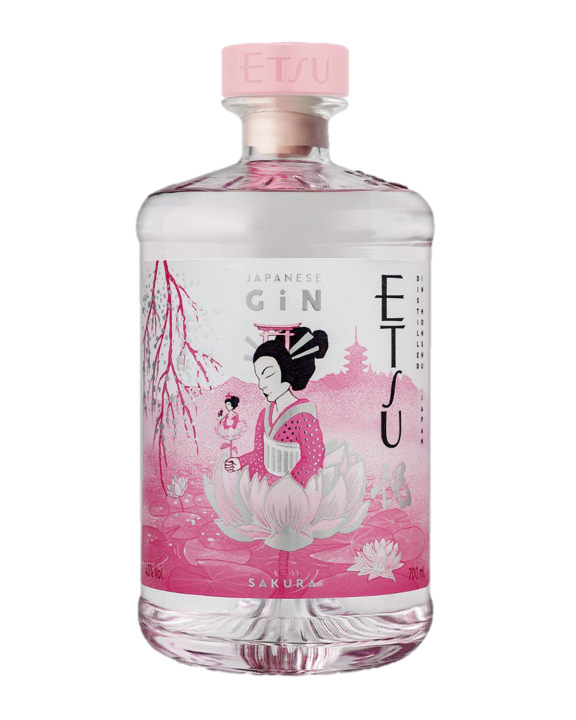
ETSU Sakura
43° · 70 cl · Akita Distillery, Honshū
Inspired by Hanami — 43° – 70 cl.
Inspired by the Hanami tradition, ETSU Sakura captures the fleeting beauty of cherry blossom — that moment when Japan turns pink and the air fills with delicate perfume. Distilled at Akita on Honshū, it reveals a floral, refined expression where the soft sweetness of sakura meets citrus freshness and Japanese botanicals, lifted by pure Ōu mountain water. An invitation to carry the spirit of Hanami all year — in cocktails or simply with tonic.
Appearance
Clear and luminous.
Nose
Elegant and floral, marked by sakura softness and yuzu freshness, lifted by a light herbal touch.
Palate
Delicate and balanced. Sakura’s floral attack mingles with citrus and green bitter-orange peel, while liquorice and coriander add subtle complexity.
Finish
Airy and refined, where floral notes linger with a hint of zesty freshness.
Seven botanicals, including sakura blossom
- Juniper
- Coriander
- Liquorice
- Angelica
- Yuzu
- Bitter orange
- Sakura
| ETSU gin | Signature | Best tonic | Garnish | Cocktail |
|---|---|---|---|---|
| The Original | Yuzu and bitter orange, balanced | Classic Indian tonic | Lime zest | ETSU Gin & Tonic |
| Pacific Ocean Water | Deep seawater, iodised | Very neutral tonic | Grapefruit zest | ETSU Pacific Gin & Tonic |
| Double Yuzu | Yuzu and matcha, zesty | Low-sugar tonic | Yuzu zest | ETSU Yuzu Gin & Tonic |
| Double Orange | Bitter orange alone, sunny | Dry tonic, low quinine | Orange peel | ETSU Orange Gin & Tonic |
| Sakura | Cherry blossom, floral | Light tonic | Petal or lemon zest | ETSU Sakura Gin & Tonic |
ETSU means “pleasure” in Japanese.Handcrafted gin born from an ancestral recipe
Japanese gin cocktails to try first
Start with these five. They show what Japanese gin can do — from a classic G&T to a highball, a vermouth drink and an umami sour.


Two more classics
- Japanese Martinez. A vermouth reinterpretation cut for the bitter orange of Double Orange.
- Matcha & Miso Sour. Umami and silk on a ETSU The Original base. The most unexpected drink on the list.
How to choose and serve Japanese gin
Japanese gin rewards clarity. Keep the serve simple enough for the botanicals to stay readable.
The G&T dose: 1 to 2
Five centilitres of gin, ten of tonic. That is the official ETSU balance — one part gin to two parts tonic — so citrus and coriander are not crushed by quinine. Use a dry Indian tonic, ice-cold, opened at the last moment.
Match gin to mood
Want a classic dry pour? ETSU The Original. Maximum citrus? Double Yuzu. Softer and sunny? Double Orange. Something unexpected? Pacific Ocean Water. Floral and seasonal? Sakura.
Ice: plenty, and solid
Counter-intuitive but decisive: more ice means less dilution. Large, solid cubes melt slowly. Crushed ice will drown a Japanese gin & tonic in two minutes. Fill the glass at least three-quarters full.
Beyond tonic
Neat on a large cube remains the most revealing way to taste Japanese gin. A highball with fine bubbles is the most Japanese ritual. Vermouth and citrus-sour builds work when the expression is bold enough — Double Orange and ETSU The Original especially.
Japanese gin FAQ
What is Japanese gin?
Japanese gin is craft gin distilled in Japan, typically defined by aromatic precision and citrus or floral botanicals such as yuzu, bitter orange, sakura or tea. It is not a legal category like London Dry; it is a style shaped by Japanese ingredients and distillation culture.
How is Japanese gin different from London Dry?
London Dry leads with juniper — resinous and direct. Japanese gin usually keeps juniper as a foundation but shifts emphasis toward citrus and floral notes, with a clearer, more precise aromatic profile. In the glass, botanicals stay more individually readable.
What is the best ETSU Japanese gin for a gin & tonic?
ETSU The Original is the classic dry reference. ETSU Double Yuzu is the most expressive citrus pour. Official ETSU G&T dose: 5 cl gin to 10 cl tonic.
Do all ETSU gins share the same botanicals?
They share a base of juniper, coriander, liquorice and angelica. Then they diverge: ETSU The Original and Pacific Ocean Water add yuzu and bitter orange; Double Yuzu replaces bitter orange with matcha; Double Orange skips yuzu; Sakura adds cherry blossom to the six others. Match the garnish to the gin.
Where is ETSU Japanese gin distilled?
In northern Japan: Asahikawa on Hokkaido (ETSU The Original, Pacific Ocean Water) and Akita on Honshū (Double Yuzu, Double Orange, Sakura). Mountain water and different maceration times shape each expression. Learn more about the distilleries.
How should you drink Japanese gin?
Start with a G&T at 5 cl / 10 cl, neat on a large cube, or a highball. From there, try builds like the Golden Yuzu Highball, Japanese Martinez or Matcha & Miso Sour. Browse all cocktail recipes.
Where can I buy ETSU Japanese gin?
Find ETSU at specialist retailers or order online. See where to find and buy ETSU.
Is Japanese gin always made with yuzu?
No. Yuzu is iconic, but not universal. In the ETSU range, Double Orange is built on bitter orange without yuzu, while Sakura adds cherry blossom, and Double Yuzu pairs yuzu with matcha.
Taste the difference
Choose your Japanese gin with ETSU Gin
Five expressions, two distilleries, and mountain waters from northern Japan. Find ETSU at your specialist retailer or order online.